Climbing with purpose: A closer look at ASOG TBI’s ALTITUDE framework
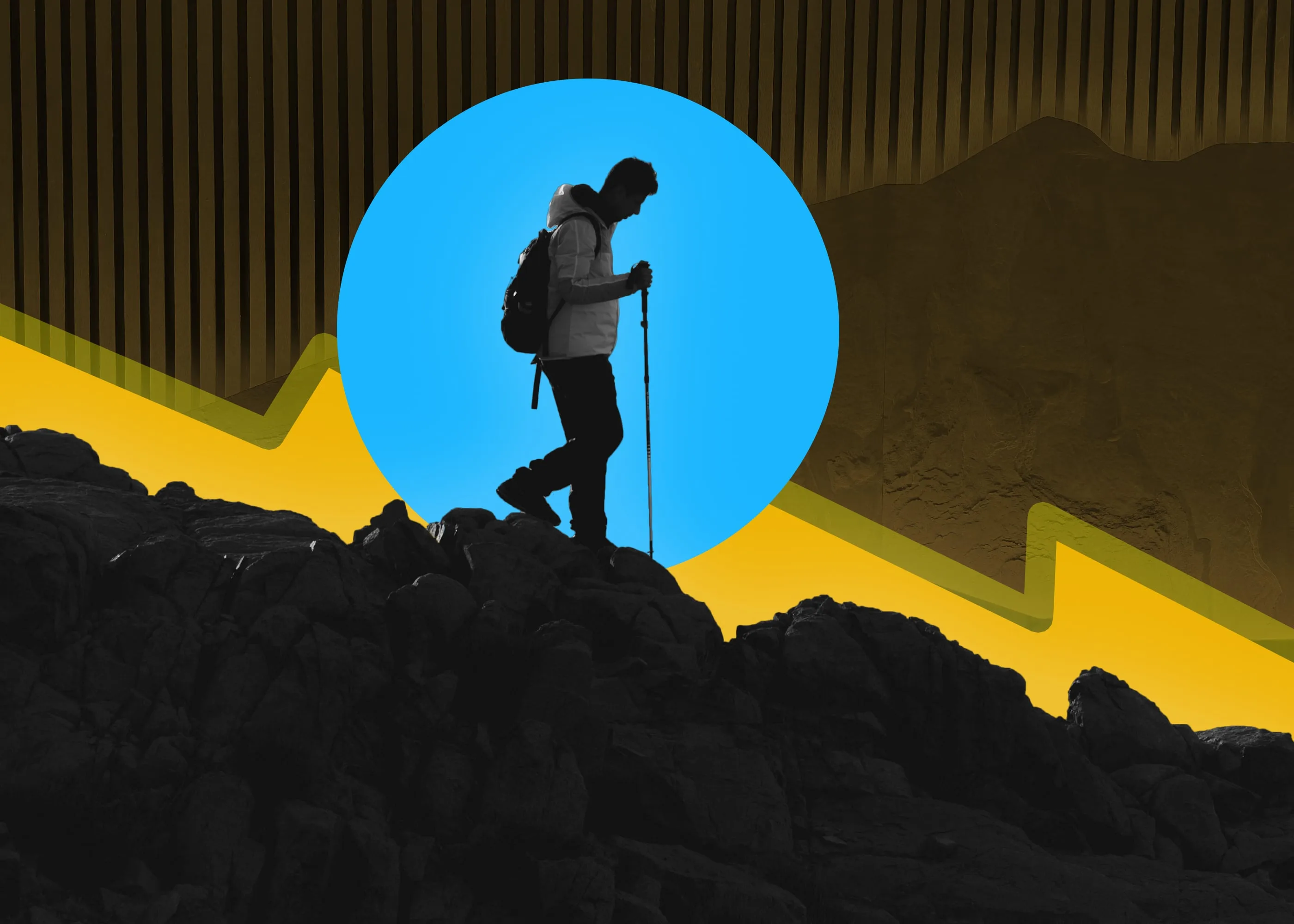
Every startup dreams of reaching the top. Few are prepared for the climb.
In conversations about innovation, success is often framed as a moment: a product launch, a funding round, a demo day applause. What gets less attention is the stretch before all that: the uncertain terrain where ideas are still fragile, assumptions remain untested, and founders are unsure whether they are moving forward or simply in circles.
This is where most startups fail, not because the summit is unreachable, but because the climb itself is poorly mapped.
At the ASOG Technology Business Incubator, the response to this problem is not speed, but structure. The incubator’s official program, ALTITUDE, short for Advancing Local Technology and Innovation through Transformative Upskilling, Development, and Entrepreneurship, is designed around a simple belief: founders do not just need ambition. They also need orientation.
ALTITUDE runs over six months, but its real contribution is not the timeline. It is the way the journey is broken down, deliberately and patiently, into stages that force founders to confront the hardest questions early, before momentum disguises weak foundations.
Trailhead
Pre-Incubation Phase (Month 1)
Each climb begins with a pause.
The Trailhead is where startups are asked to slow down before they move forward. In the first month of ALTITUDE, founders focus on clarifying the problem they want to solve and testing whether it truly exists in the way they imagine. Ideas are subjected to scrutiny, not encouragement for their own sake.
With industry mentors acting as validators, teams examine their assumptions against real market pain points. Many concepts shift here. Some are reworked. Others are abandoned altogether. The aim is not to discourage risk, but to prevent founders from investing deeply in solutions that have not yet earned the right to exist.
Basecamp
Incubation Phase (Months 2–4)
Basecamp is where effort becomes visible.
During the incubation phase, startups begin building. Minimum viable products take form. Features are tested with early adopters. Business models are refined alongside technical development. What once lived on whiteboards and pitch slides is forced into contact with reality.
Market access enters the picture here, as founders prepare for initial customer engagement and partnerships. Basecamp rewards learning that happens fast enough to evolve and carefully enough to endure.
Ascent
Post-Incubation Phase (Months 5–6)
The higher the climb, the more preparation matters.
The Ascent phase shifts the focus from building to positioning. With early validation in place, founders are introduced to the expectations of funders, grant institutions, and strategic partners. They work on the tools required for serious conversations: pitch decks, financial projections, and long-term viability plans.
This is where confidence is tested, not through applause, but through questions that force clarity about scale, sustainability, and impact.
Summit Launch
Reaching the summit does not mean standing still.
Summit Launch marks the transition beyond formal incubation, where startups continue to receive strategic support as they navigate growth. Access to networks, mentorship, and partnerships remains part of the relationship because scaling presents challenges that are just as complex as early development.
Throughout ALTITUDE, mentorship is treated not as a single intervention but as a continuous presence. Founders engage through one-on-one sessions, expert clinics, immersion activities, technical reviews, and pitch rehearsals. Learning happens in rooms and in the field, shaped by feedback that mirrors the pressures of the real world.
In an ecosystem often driven by urgency and acceleration, the ALTITUDE Incubation Program takes a more deliberate approach. That preparation matters. That clarity is earned. That progress is intentional.
By combining structure, mentorship, and timing, ASOG TBI bridges the gap between dreaming of the summit and being ready for the climb.